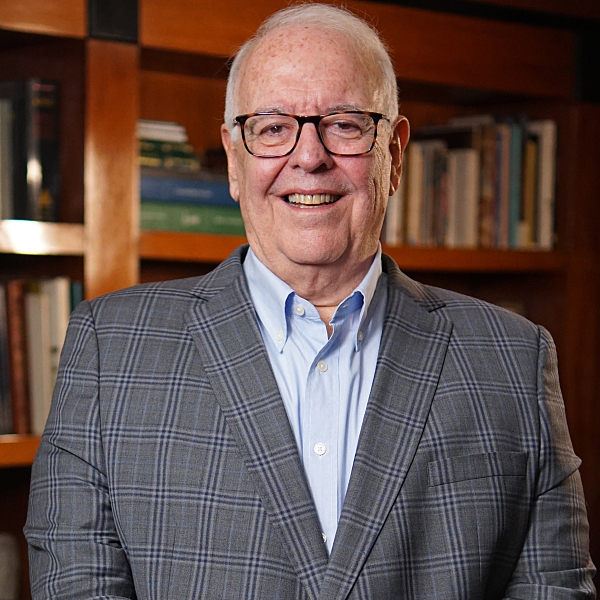
Arnoud advises clients on all aspects of trade law, including trade remedies, customs, trade compliance, and trade agreements. With over 30 years of experience, he is a trusted adviser to entrepreneurs, executives, and diplomats with an unparalleled network. Arnoud deeply understands how trade rules shape global flows of capital, investment, goods, technology, and services, especially with respect to competitiveness, and the application of trade rules to various sectors. He helps clients navigate complex rules, manage their risks, and become more successful in their long-term strategy.
Arnoud has assisted complainants, respondents, associations, governments, importers, and users in more than 200 high-profile anti-dumping, anti-subsidy, safeguard, and anti-circumvention investigations. Along with representing clients in such cases before the European Commission, national and EU courts, he has worked on several third-country cases (Russia, China, Türkiye, Philippines, Indonesia, Brazil). Arnoud’s cases often involve pan-European strategies with simultaneous litigation in several countries.
Regarding customs matters, Arnoud has broad experience in advising clients on EU customs issues, including entry, classification, valuation, origin, tariff suspensions, authorizations, audits, refunds/remissions and fraud allegations, notably OLAF and EPPO. A key aspect of his practice concerns working with EU and national authorities to help clients unlock customs issues or assist with resolving differences in approach between various EU member states.
Regarding trade agreements, Arnoud advises clients on leveraging market access and enforcement tools provided by trade rules in the WTO, free trade, investment, and other agreements. With these tools, Arnoud has helped companies address key trade and regulatory barriers affecting their ability to move, sell and protect goods, services, and intellectual property across borders. To conclude, Arnoud has assisted governments and companies in negotiating trade agreements, especially in making them concrete, and by creating so-called gold standards by leveraging best practices.